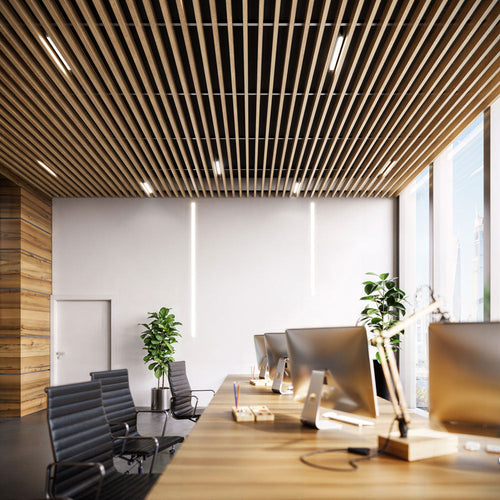

If you have been thinking about refreshing the outside of your home, you are not alone. Thousands of homeowners every year realize that the exterior of a property does more than just protect the inside from weather. It tells a story about who lives there. Exterior wall panels have become one of the most talked about upgrades in residential and commercial design, and for very good reason.
Why Exterior Wall Panels Are getting so much attention
If you walk through any modern neighborhood today, you will notice something different about the homes that stand out. It’s not that they’re painted in bold colors or dressed up with ornate trim. Instead there are clean lines, layered textures, and materials that look like they were pulled straight out of an architecture magazine, more or less. That kind of visual strength comes from carefully picked exterior wall panels installed across the entire facade.
These panels add structure, depth and a bit of personality to an otherwise flat surface. And whether you are building something new, or renovating an older property, panels give you the freedom to craft a look that feels fresh, but also timeless. Right now the available choices include wood slat styles, fluted designs, and composite materials that handle rain well, keep their shape in sun and cope with temperature changes, pretty gracefully.
What Makes Composite Materials the Smarter Choice
A lot of people start their search looking at natural wood and stone options. Both are beautiful, no doubt about that. However, once you factor in maintenance costs, vulnerability to moisture, and the time needed to keep them looking good, composite materials quickly move to the top of the list.
Composite siding is engineered specifically to handle what real wood struggles with. It resists warping, cracking, and fading in a way that keeps your exterior looking polished for years without demanding constant upkeep. For homeowners who want the warmth and texture of natural materials without the ongoing hassle, composite is the clear winner.
Key Benefits You’ll Want To Know Before You Decide
Before you fully commit to an outside upgrade, it honestly pays to see what you are actually getting. Like, not in a vague way but in a clear one. Here are several useful reasons homeowners and architects keep choosing these panel systems:
Long term durability, yes: composite materials are made to survive rough outdoor conditions without degrading too quickly
Low maintenance lifestyle : you wont be sanding or sealing or repainting every couple seasons, which sounds small but it really adds up
Design flexibility : they come with multiple profiles, including wood grain looks smooth finishes and fluted patterns too
Thermal performance: many panel systems contribute to better insulation when they are installed correctly
Commercial grade quality for residential use: the same materials used in architectural commercial projects are now more widely available for homes
Taken together, these benefits add genuine value to your property and make exterior wall panels a smart long term investment, not only a surface level cosmetic thing.
How to Match Panel Styles With Your Home’s Architecture
This is where a lot of people feel uncertain. Choosing the wrong profile or color can make a home feel disconnected. The good news is that modern exterior wall panels are designed with versatility in mind.
For houses with a contemporary or minimalist, design, vertical wood slat panels build a refined rhythm across the facade. They sort of pull the eye upw ard and give the exterior a more polished, architectural feel. And if the property leans warmer, more rustic in personality, horizontal composite panels with wood grain textures can add a bit of charm, without fighting the nearby landscape.
Fluted panels work incredibly well on accent walls or feature sections of an exterior. Rather than covering the entire facade, many designers use fluted profiles around entryways, garage sections, or upper floor areas to create contrast and visual interest. The result feels intentional and sophisticated.
Exterior Panels for Commercial Spaces Too
It would be a mistake to think of these systems as residential only products. Architects and commercial builders have been specifying exterior wall panels for retail storefronts, office buildings, hospitality venues, and mixed use developments for years. The ability to create a strong visual identity through cladding is just as important for a business as it is for a home.
Composite siding in commercial settings offers the added advantage of meeting various building code requirements while maintaining a high end appearance. When a business front looks well designed and well maintained, it communicates professionalism to every person who walks by.
Pairing Your Exterior With Other Architectural Elements
One thing experienced designers always recommend is thinking about the exterior as part of a larger system. Wall panels work best when they connect visually with fencing, pergolas, privacy screens, and other structural elements around the property.
For example, a home that uses wood slat exterior panels often benefits from matching composite fencing along the perimeter. The repetition of the material and texture creates a cohesive look that feels designed rather than assembled. Similarly, a pergola finished in a complementary material can extend the architectural language from the structure itself into the outdoor living area.
Conclusion
Updating the outside of your home or commercial space is one of the highest impact improvements you can make. Exterior wall panels offer a combination of beauty, durability, and design flexibility that very few other materials can match. Whether you lean toward the clean warmth of wood slat profiles or the engineering reliability of composite siding, the right panel system can completely transform how a building looks and performs. If you are ready to take that next step, exploring premium composite and architectural panel options is absolutely worth your time.
Frequently Asked Questions
Q: What is the difference between exterior wall panels and composite siding?
A: Exterior wall panels refer to the overall cladding system applied to a building’s facade, available in materials like wood slat, fluted, and composite profiles. Composite siding specifically refers to engineered panels made from a blend of materials designed to mimic natural wood while offering superior resistance to moisture, warping, and fading with far less maintenance required.
FAQ 2
Q: Are composite exterior wall panels suitable for both residential and commercial buildings?
A: Absolutely. Composite siding and exterior wall panels are used across residential homes, retail storefronts, office buildings, and hospitality venues. They meet commercial grade durability standards while maintaining a high end architectural appearance, making them a practical and attractive choice for virtually any building type.
FAQ 3
Q: How much maintenance do exterior wall panels require once installed?
A: One of the biggest advantages of modern exterior wall panels, especially composite options, is their low maintenance nature. Unlike natural wood, they do not require regular sanding, sealing, or repainting. An occasional clean with water and a soft brush is typically all that is needed to keep them looking fresh and well maintained for years.
FAQ 4
Q: Can exterior wall panels improve a home’s energy efficiency?
A: Yes, many exterior wall panel systems contribute to better thermal performance when installed correctly. They add an additional layer between the interior wall and outdoor elements, helping reduce heat transfer and improving overall insulation. This can lead to more comfortable indoor temperatures and lower energy costs over time.
FAQ 5
Q: Which exterior wall panel style works best for a modern minimalist home?
A: Vertical wood slat panels are widely favored for contemporary and minimalist architecture. They create clean, repeating lines that draw the eye upward and give the facade a refined, architectural quality. Fluted panels are also an excellent choice for accent sections such as entryways or garage fronts, adding texture and visual interest without overwhelming the overall design.
Exterior Wall Panels: The Modern Upgrade Your Home's Facade Deserves