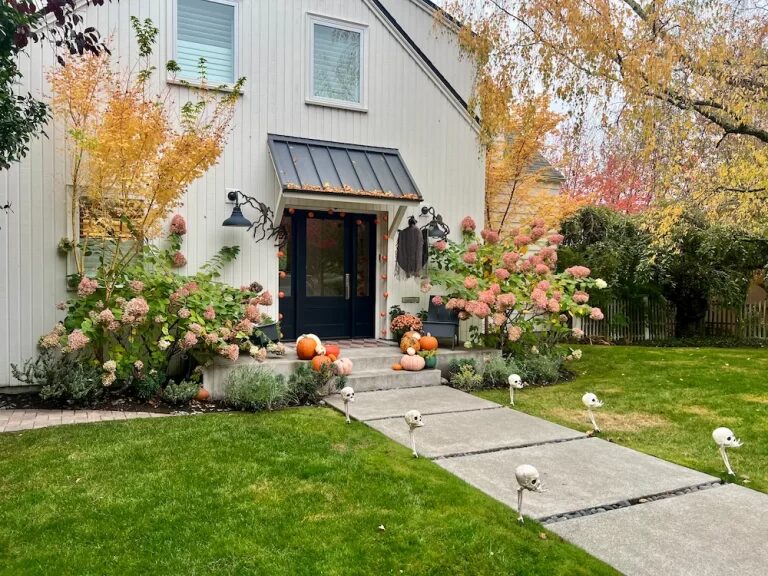

Most homeowners don’t lose their yard all at once. It happens in small increments — a season where fall cleanup got skipped, a summer where the irrigation wasn’t quite right, a winter where the moss got a foothold it never quite lost. Each gap feels manageable in the moment. Together, they add up to a yard that requires significantly more effort to bring back than it would have taken to maintain in the first place.
This is the pattern that plays out across Seattle neighborhoods every year. Not neglected properties — just outdoor spaces that aren’t receiving the consistent, professional maintenance that Seattle’s specific climate demands. And the difference between those yards and the ones that look genuinely healthy and cared for, season after season, almost always comes down to one decision: finding the right landscaping services near me and staying with them.

What Seattle’s Climate Actually Requires
Seattle’s outdoor environment is more demanding than it appears from the outside. The mild temperatures and lush greenery create an impression that things grow easily here — and they do. The problem is that everything grows easily here, including what you don’t want.
Moss is the most visible symptom of a yard that isn’t being managed correctly for the local environment. Seattle’s cool, wet winters create ideal moss conditions, and it colonizes thin turf with remarkable speed. By the time most homeowners notice how much ground it’s gained, it’s already a significant remediation project. The only effective long-term solution is building the soil health, turf density, and drainage conditions where moss simply can’t compete — and that requires consistent professional maintenance across the right seasonal windows.
Soil compaction is equally significant and far less visible. Seattle’s clay-heavy soils compact under regular foot traffic and seasonal moisture, gradually restricting the air and water movement that root systems depend on. A lawn growing in compacted soil can look reasonably healthy on the surface while its roots are slowly being strangled beneath it. Without regular aeration, even well-fed turf loses density and resilience over time — and that thinning opens the door for exactly the moss and weed pressure that Seattle homeowners spend so much energy fighting.
And then there’s the summer dry season — the part of Seattle’s climate that most residents underestimate. July through September routinely brings three to four weeks without meaningful rainfall. Yards that weren’t properly set up through spring and fall maintenance show it dramatically through these months, while those under consistent professional care stay dense and healthy without the homeowner giving it much thought.
What Consistent Seasonal Maintenance Looks Like
Professional yard maintenance in Seattle is a four-season discipline. Each season has specific demands, and the work done in one directly shapes what’s possible in the next. Understanding what that looks like in practice is what shifts the perception from optional service to genuine necessity.
Spring is the highest-leverage season in the entire maintenance calendar. Lawns need fertilization timed to when grass is actively taking up nutrients — the narrow window between winter dormancy and full spring growth. Bare and thin areas need overseeding before weeds establish in the gaps. Planting beds need cleanup, fresh mulch, and early weed management before growth accelerates. Irrigation systems come back online after winter shutdown, with every zone inspected and controller schedules updated for the new season. The quality of spring maintenance sets the trajectory for everything that follows through summer.
Summer is about protection and consistency. Professional lawn care through Seattle’s dry stretch means mowing at the biologically correct height — higher than most homeowners instinctively cut — to retain soil moisture and keep turf dense enough to outcompete weeds naturally. Irrigation performance gets monitored through July and August. Pest and disease pressure gets identified and addressed early, before problems spread to the point where they require significant intervention.
Fall is the most important and most underused season in the maintenance calendar. Aeration breaks up compacted soil and restores the drainage and oxygen movement that root systems need to develop properly. Overseeding after aeration fills in thin areas before winter establishes moss in those gaps. Protective mulching insulates planting bed root zones through temperature swings. Irrigation winterization protects the entire system from freeze damage that would otherwise surface as expensive repairs in spring. The homeowners whose yards look best in April are consistently the ones who invested properly in fall maintenance the previous October.
Winter in Seattle is quieter but not passive. Heavy rainfall reveals drainage weaknesses that went unnoticed through summer. Moss advances rapidly into neglected areas. Dormant pruning on trees and shrubs — performed when the branch structure is fully visible and the plant is under minimal stress — produces structural outcomes that affect performance for years. A professional team monitoring the property through winter catches small problems before they become large ones.
The Compounding Value of Staying Consistent
Here is the principle that changes how most homeowners think about professional maintenance: it compounds over time in ways that aren’t visible in any single season but become unmistakable over several years.
A lawn that receives proper aeration, overseeding, and fertilization every season gradually develops root depth, turf density, and disease resistance that manual maintenance rarely achieves. Planting beds consistently mulched and cared for build soil health year over year. Trees and shrubs receiving timely seasonal pruning develop structure and vigor that improves their performance for decades.
The reverse is equally true. Every season of deferred maintenance makes the following season harder and more expensive. Moss not treated in fall is deeply established by spring. Irrigation damage not caught in the fall inspection causes dry patches through an entire summer. Soil not aerated this year is measurably more compacted and harder to rehabilitate next year.
This is why professional maintenance isn’t the cost you pay when something goes wrong. It is the investment that prevents things from going wrong — and it pays forward in property value, curb appeal, and the daily experience of living in a home with an outdoor space that actually reflects the care it’s received.
Finding Landscaping Services Worth Trusting
When Seattle homeowners start searching for landscaping services near me, the practical challenge isn’t finding options — it’s identifying which ones are worth trusting with a long-term investment.
The most reliable answer consistently comes from word of mouth. The landscaping and maintenance providers with the strongest reputations in Seattle’s residential neighborhoods earned them through years of consistent work, reliable scheduling, and clear communication — not through advertising. When a neighbor with a genuinely well-maintained property offers a recommendation unprompted, that carries weight no website or review platform can replicate.
Ask the questions that reveal character as much as competence. Does the team communicate proactively when they notice something that needs attention? Does the work hold up through a full Pacific Northwest year — not just the week after service? Do existing clients recommend them actively, or simply tolerate them?
These recommendations are particularly important for homeowners’ associations and apartment buildings. Regular maintenance of common outdoor spaces directly influences property value, resident satisfaction, and the overall impression left on visitors. Therefore, a good landscaping partnership goes beyond simply connecting you with external suppliers; it represents a true operational advantage.